
Get to know the deep purple berry with a long history of traditional use
Elderberry has become one of the most recognizable herbs for immune support, showing up in everything from syrups to gummies and other supplements.
But the story of elderberry starts long before the supplement aisle. Elder has been part of European food, herbal traditions and folklore for centuries. Today, we also know more about the naturally occurring plant compounds behind the berry’s deep purple color and antioxidant properties.
So, there’s a lot more to this little berry than meets the eye.
What Is Elderberry?
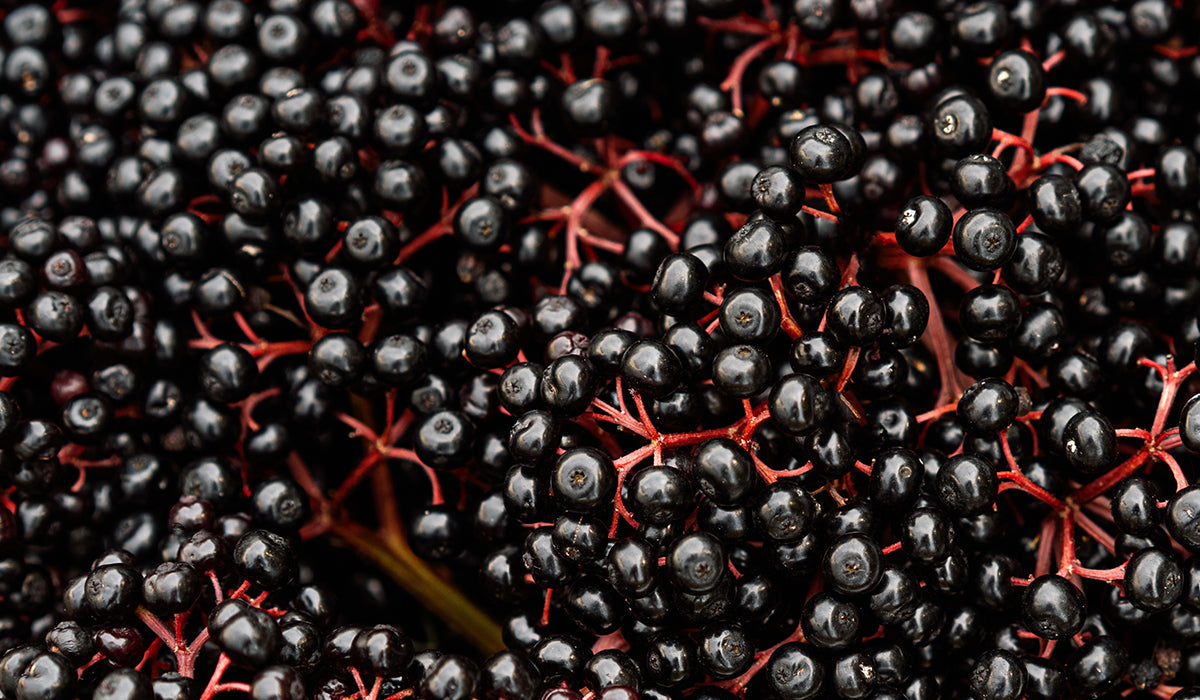
Elderberries are the small, dark fruits of trees and shrubs belonging to the Sambucus genus. One of the best-known species is European black elder, Sambucus nigra.
The elder plant produces clusters of small white or cream-colored flowers in late spring and summer. If pollinated and left on the plant, those blossoms eventually give way to clusters of berries that ripen to a deep purple-black.
Both the flowers and berries have caught the attention of herbalists over the centuries, but they aren’t interchangeable. Elderflower and elderberry are distinct herbal ingredients with their own traditional preparations and uses.
A Long History in Traditional Herbalism
Elder has a particularly rich history in European herbalism, where both the flowers and ripe berries have been used for generations.
Elderflowers have traditionally been dried and brewed as tea, while ripe berries have often been cooked into syrups and other preparations. Elderberry also crossed easily between the herbal cabinet and the kitchen, finding its way into jams, jellies, cordials, wines and other foods and drinks.
Like many traditional herbs, elder became associated with different uses depending on the place, time and herbal tradition. It was especially familiar in practices surrounding seasonal wellness, and knowledge of how to harvest and prepare the plant was passed down long before anyone could identify its individual phytonutrients in a laboratory.
But elder wasn’t only useful. People told stories about it, too.
The Elder Tree in Folklore
European folklore around the elder tree gets wonderfully strange. Depending on where you look, elder has been associated with protection, magic, witches, fairies and the spirit world. Some traditions even warned against cutting an elder tree without first asking permission from the spirit believed to live within it.
In Danish folklore, that spirit became known as the Hyldemoer, or “Elder Mother,” a guardian of the tree. Stories about elder vary considerably by region and period, but the recurring message is that this was not always considered an ordinary tree to be chopped down without a second thought.
There’s no need to believe in the Elder Mother to find the stories meaningful. They offer a glimpse of just how familiar and culturally significant elder once was to the people living alongside it.
How Is Elderberry Used Today?
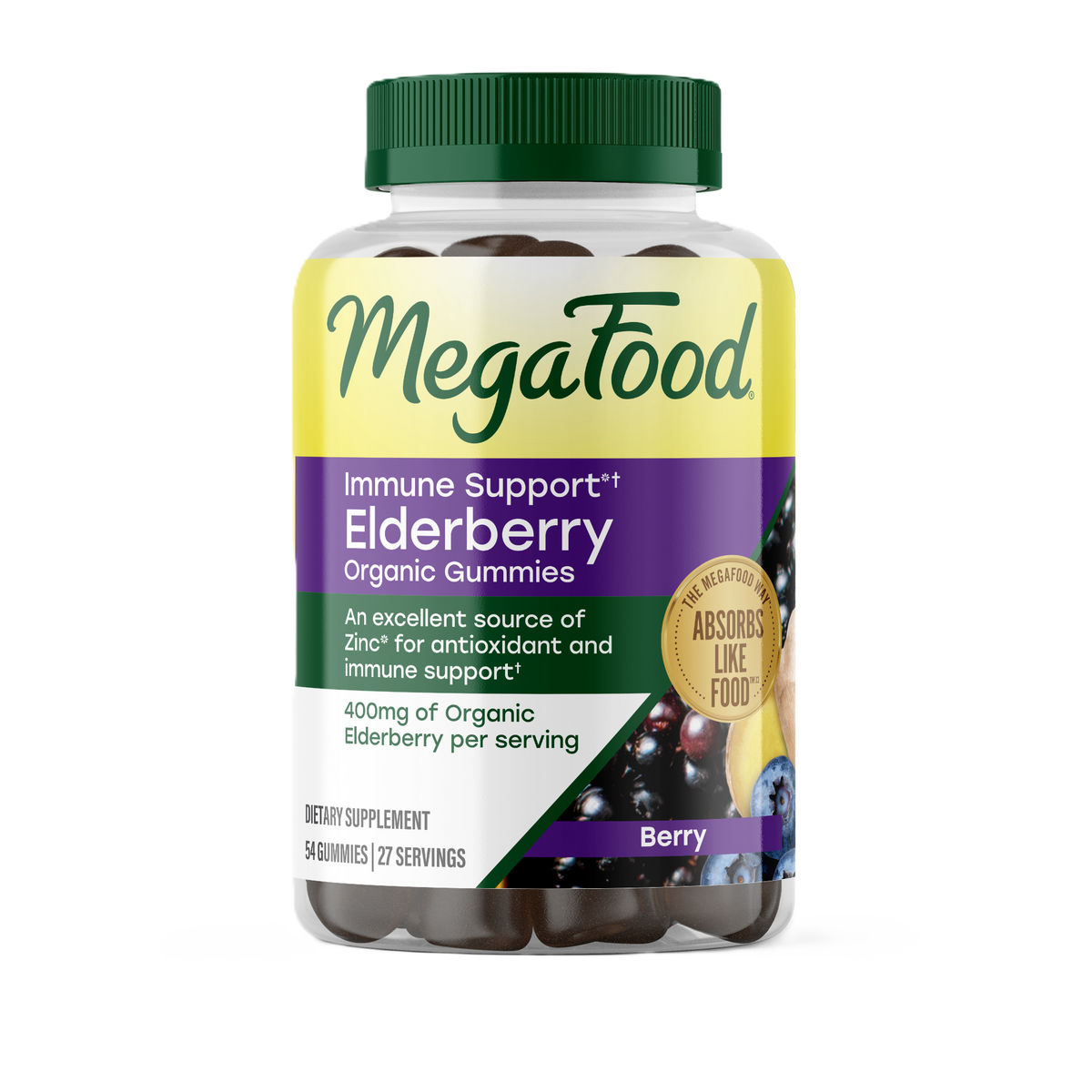
Our relationship with elder looks a little different these days, but the berry itself is still very much in use. Cooked elderberry syrups remain popular, alongside modern formats like capsules, liquids, lozenges and gummies. Its tart, fruity flavor also lends itself well to food-based preparations and combinations with other fruits and botanicals.
Elderberry has also become one of the most recognizable botanicals associated with immune wellness. While immune health may be more top of mind at certain times of year, maintaining healthy immune function is an everyday job. Elderberry supplements can offer a convenient way to incorporate the herb into a regular wellness routine.
That modern popularity has also brought new scientific attention to a fruit herbalists have worked with for generations. And one of elderberry’s most interesting features is visible before you ever get it under a microscope.
What Makes Elderberries So Purple?
Ripe elderberries get their deep purple-black color largely from anthocyanins, naturally occurring plant pigments belonging to the flavonoid family. You’ve seen anthocyanins plenty of times before, even if you didn’t know their name. They help give blueberries, blackberries, cherries and other deeply colored fruits and vegetables their characteristic reds, blues and purples.
Anthocyanins are also antioxidants. Antioxidants help protect cells against oxidative damage caused by free radicals, unstable molecules produced through normal processes in the body as well as through exposure to environmental factors. Elderberries contain several different anthocyanins alongside other naturally occurring polyphenols.
Elderberry and Immune Support
While anthocyanins help explain some of elderberry’s antioxidant properties, elderberry is also valued today for its role in supporting a healthy immune response. Elderberry helps offer immune support while providing antioxidant support. Modern elderberry supplements may also pair it with nutrients that offer complementary benefits.
Zinc is one example. This essential nutrient plays a vital role in the body’s immune response and also provides antioxidant support. You may also see elderberry combined with other colorful plant foods and botanicals, such as blueberry and ginger, which are natural sources of phytonutrients.
The exact ingredients, amounts and forms can vary from one supplement to another, so the label is always the best place to see what a particular formula provides.
An Old Plant With a Modern Following
It’s easy to encounter elderberry today as an ingredient on a supplement label and never realize just how much history sits behind it.
The same plant that inspired stories of fairies and guardian spirits is now studied for the phytonutrients that give its berries their remarkable color. Traditional preparations have been joined by gummies and other modern formats. And elderberry continues to find a place in wellness routines as an herb that helps maintain immune function and provides antioxidant support.
The fairies may be optional. But after centuries of food, herbalism, folklore and now modern science, elderberry has earned its reputation as one memorable little fruit.


Leave a comment
This site is protected by hCaptcha and the hCaptcha Privacy Policy and Terms of Service apply.